
Postoperative Tooth Sensitivity in Direct Resin Composite Restorations: Etiology, Diagnosis, and Management
DOI:
https://doi.org/10.5281/zenodo.18585763Keywords:
Dental Adhesive, Direct Restoration, Postoperative Tooth Sensitivity, Resin compositeAbstract
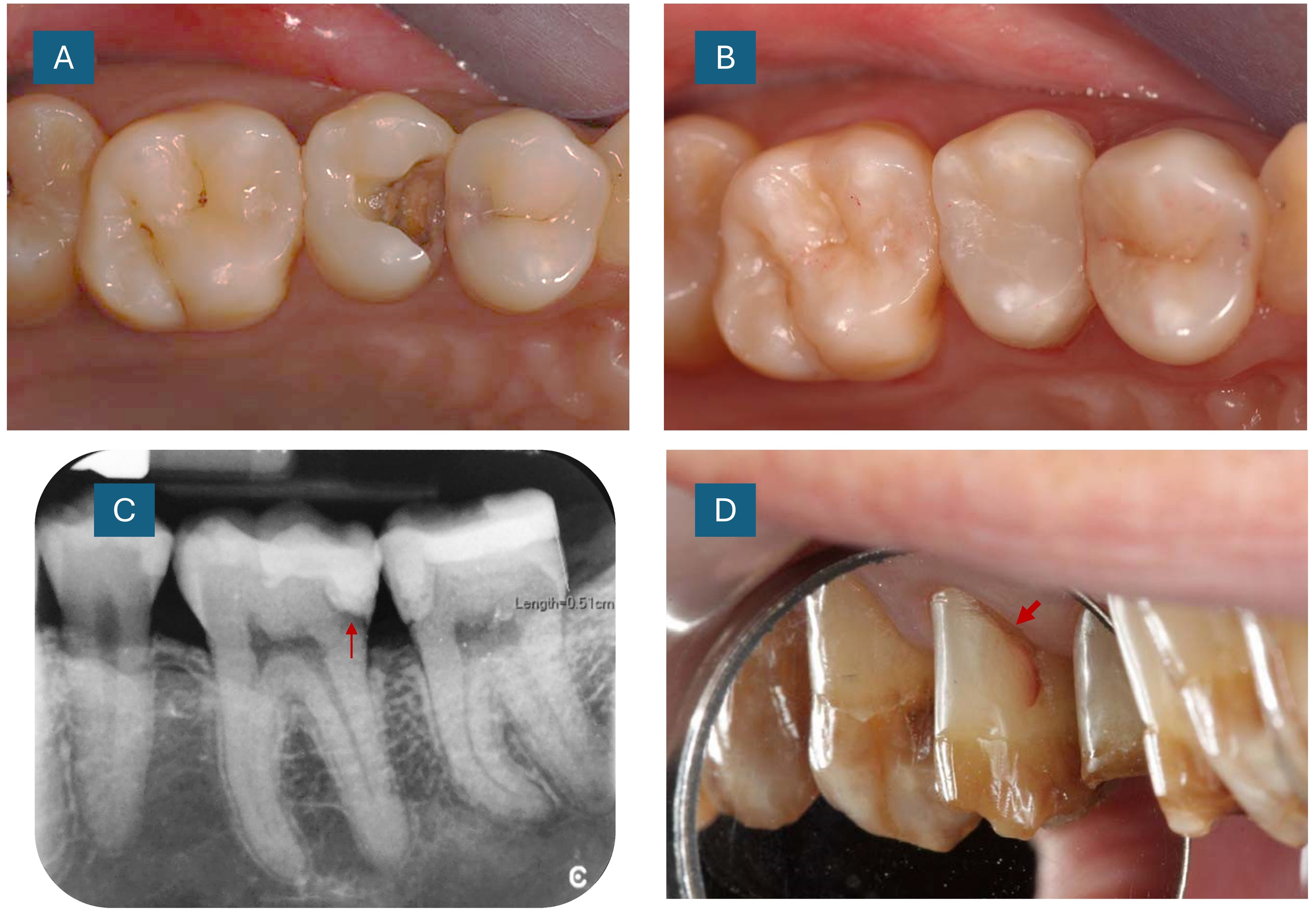
Postoperative tooth sensitivity (PTS) is a complication associated with direct resin composite restorations, presenting as a short, sharp pain in response to stimuli. The possible mechanism is the hydrodynamic theory, which proposes that restoration defects, such as micro-gaps between the restoration and dentin, induce dentinal fluid movement that triggers pulpal nerve fibers. The incidence of PTS in direct restorations ranges from 0 to 25%. The risk of PTS has a direct relationship with cavity depth and size. Clinical evidence demonstrates no significant difference in PTS between etch-and-rinse and self-etching adhesive systems. The use of glass-ionomer cement or flowable composite liner may not reduce PTS. Errors in bonding procedures potentially lead to PTS. PTS may arise from three possible etiologies: I. transient pulpal inflammation (from preoperative insults or operative trauma); II. incomplete sealing of exposed dentine (marginal or internal gaps); and III. tooth and restoration deformation from occlusal force. Prevention strategies include minimizing operative trauma, strictly following adhesive instructions with contamination control, ensuring appropriate thickness of resin composite, incremental restoring for adaptation to cavity walls, and checking occlusion. Management strategies involve monitoring, desensitizer application, re-bonding to seal gaps or exposed dentine, repairing the defects, or replacement.
Downloads
Published
How to Cite
Issue
Section
License
Copyright (c) 2026 Danuchit Banomyong

This work is licensed under a Creative Commons Attribution-NonCommercial 4.0 International License.
CC Attribution-NonCommercial 4.0